
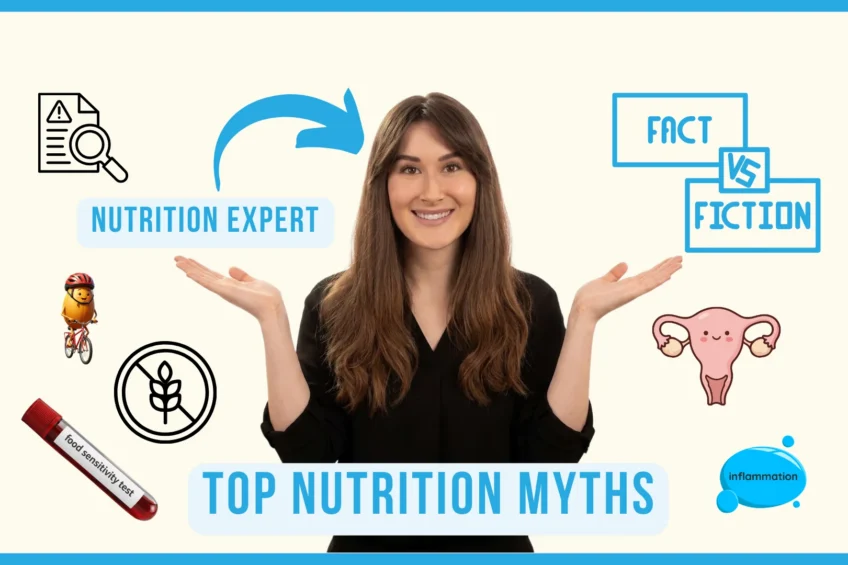
Nutrition Experts Debunk Viral Nutrition Myths and Diet Trends


What four nutrition experts want you to know about the diet advice flooding your feed
If you’ve been on social media lately, someone has probably told you that your gut is leaky, your hormones are off, or that one special food will fix everything.
You’re not alone. And more importantly, you’re not broken.
Four nutrition professionals (Brandon, Laura, Kelsey, and Matthew) recently sat down to talk about popular diet trends. Their conversation was warm, honest, and full of the kind of real talk that’s missing from flashy health content.
Why This Advice Pulls Us In
Everyone eats, so everyone has opinions about food. That makes us open to advice, especially when it’s polished and emotional. The real science of nutrition is strong, but opinions about nutrition are much louder.
The pattern works like this: start with symptoms most people can relate to (bloating, fatigue, brain fog), reframe them as signs something is deeply wrong with you, and then sell the fix. Kelsey pointed out that if this pattern showed up in a friendship, we’d call it unhealthy. It’s no different with food.
How to Spot Shaky Claims
The dietitians shared five warning signs:
One food gets all the blame (or credit). Health doesn’t depend on one magic ingredient or one villain.
Personal stories replace research. One person’s results don’t work as advice for everyone.
The promises are huge. If one approach claims to fix your energy, mood, skin, digestion, and weight all at once, it’s likely stretching the truth.
Extreme restriction is treated as normal. Blanket rules saying nobody should eat a particular food group are almost always a red flag.
There’s zero room for doubt. Good science changes over time. Total certainty, especially with a product attached, is worth questioning.
Trend by Trend
The Blood Type Diet
The pitch: eat based on whether you’re type A, B, O, or AB. It feels personalized, but the science doesn’t back it up. Studies haven’t found that people respond differently to diets based on blood type. One expert joked it makes as much sense as an “eye colour diet.”
Seed Cycling
This means eating certain seeds during certain phases of your menstrual cycle to balance hormones. Seeds really are nutritious, and adding them to your diet is a great idea. But the benefit comes from the nutrients themselves, not the timing. You don’t need to stress about matching the right seed to the right day.
The Anti-Inflammatory Diet
Inflammation is real, and diet does play a role. But online, nearly every symptom gets blamed on “inflammation,” and the fix is always to cut certain foods. In reality, the foods most linked to lower inflammation are ones we already know are healthy: fruits, vegetables, whole grains, and healthy fats.
Kelsey put it perfectly: if calling your balanced meals “anti-inflammatory” helps you stay on track, go for it. “If you need to call it the giraffe diet, sure.” What matters is eating well in a way that works for you.
The Autoimmune Protocol (AIP)
This means removing grains, legumes, dairy, eggs, nuts, and more to help with autoimmune symptoms. But there are over 100 autoimmune conditions, and they don’t all respond to the same approach. This trend worries the experts because it often targets people still searching for a diagnosis, offering a solution before the problem is even clear.
The Lectin-Free Movement
Lectins are natural compounds in beans, lentils, and grains. They get called “anti-nutrients,” which sounds scary. But cooking reduces lectins to very low levels. Beans, lentils, and whole grains are nutritional powerhouses. Cutting them out means losing some of the most nutritious, affordable foods available.
“Nature’s GLP-1”
With medications like Ozempic becoming common, a new trend claims certain foods can copy their effects. Foods with protein and fibre do support your body’s natural GLP-1 release, and balanced meals are genuinely good advice. But diet won’t replace what these medications do. The hidden message that “if you just ate right, you wouldn’t need medicine” is neither accurate nor kind.
The Bigger Picture
Across every trend, the experts returned to the same truth: good nutrition isn’t complicated. Eat a variety of fruits, vegetables, whole grains, lean protein, and fibre-rich foods. Enjoy what you have access to, what you like, and what you can prepare.
The real harm in most trends isn’t that seeds or healthy fats are bad. It’s the restriction, guilt, and worry that come from feeling like you’re failing a complicated plan. As one expert said: “Let your diet work for you. Don’t work for your diet.”
You’re allowed to ask questions. Bring what you’ve read to a trusted professional like a registered dietitian.
Normal isn’t broken. Feeling tired or bloated sometimes is part of being human. It doesn’t mean you need a complete overhaul.
Start small. You don’t need a strict protocol to take good care of yourself.
Eating well doesn’t require a secret formula. Be kind to yourself, and remember: anyone who makes you feel broken to sell you a fix probably doesn’t have your best interests at heart.
If you have questions or want to learn more about evidence-based nutrition, our team at Revive Wellness is here to help. Book a consultation or connect with us to start your journey toward sustainable health.
You’re doing better than you think.
 Click here to book with Kelsey