
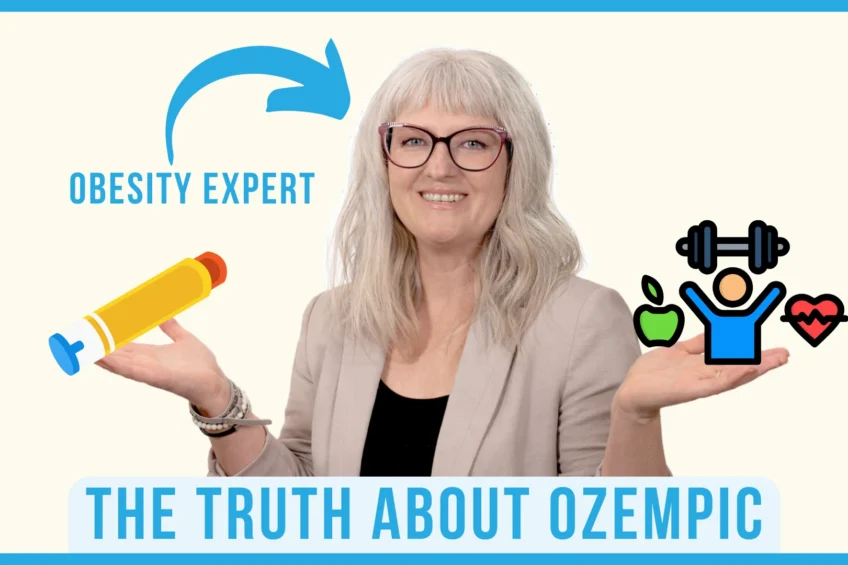
The Truth About Obesity, Part 2: What Supportive, Sustainable Care Can Look Like


This is Part 2 of a two-part series. Part 1 explained why weight change can feel so hard. Part 2 focuses on supportive, evidence-based options and practical next steps that can help.
The Truth About Obesity, Part 2: What Supportive, Sustainable Care Can Look Like
Obesity care works best when it matches the reality of the human body: biology is powerful, life is busy, and change is rarely linear. For many people, the missing piece is not motivation. It is the right mix of support, tools, and follow-up that makes health goals feel more possible and less punishing.
Part 2 focuses on the “what now” side of the conversation: how to think about treatment options (including medications and surgery), why lifestyle support still matters, and what a compassionate, evidence-based approach can look like in real life.
Medications can be a tool, not a shortcut
Weight management medications are often discussed in extremes: either they are framed as “cheating,” or they are treated like a magic fix. Neither is helpful.
For some people, medications can reduce the biological barriers that make change feel impossible, such as intense hunger, persistent cravings, or constant food thoughts. When appetite signals quiet down, it can become easier to practice the habits that support health, like balanced meals, consistent eating, movement, and sleep routines.
Medications do not replace lifestyle. They can make lifestyle changes more achievable.
Why medications may support health beyond weight
Sometimes the biggest benefit is not the number on the scale. Medications may help people access care and quality of life improvements that were previously blocked by weight-based barriers.
Examples include:
- Being able to qualify for joint surgeries (like knee or hip procedures) when weight requirements are unrealistic
- Fitting within weight limits for certain medical equipment or imaging
- Improving metabolic health markers that affect long-term risk
- Reducing pain and increasing mobility so movement becomes possible again
In other words, these tools can create momentum toward better care, better function, and better day-to-day living.
A common challenge: weight rebound after stopping
Weight regain is not only something that can happen after diets. It can also happen after stopping certain medications.
That does not mean the medication “failed.” It often means the body’s biology is doing what it is designed to do: protect energy stores and push weight back toward its previous range.
This is where supportive care matters. Habits and routines that are built gradually during treatment can make a big difference in what happens later. A plan for nutrition, movement, sleep, and stress support is not extra. It is part of long-term success.
Lifestyle support still matters, even with medication
The goal is not perfection. The goal is repeatable habits that support health and protect quality of life.
Supportive lifestyle work often includes:
- Building meals that are satisfying, not restrictive
- Getting enough protein and fibre so hunger stays steadier
- Finding movement that supports strength, joints, and energy
- Supporting sleep, because poor sleep can drive hunger and cravings
- Developing stress tools, because stress can raise food urgency and lower bandwidth
- Creating routines that work in busy weeks, not only ideal weeks
When medication reduces appetite, it can also reduce intake so much that people unintentionally under-eat. That can increase fatigue and make muscle loss more likely. A clinician can help make sure nutrition stays adequate, especially protein, and that strength-based movement is part of the plan when appropriate.
Bariatric surgery is also an evidence-based option
Surgery is sometimes treated as a last resort, or as something people should “earn” by losing a large amount of weight first. That framing can be both unrealistic and harmful.
Bariatric surgery is a medical treatment that can improve health outcomes and quality of life for people who meet criteria and want that option. It is not a failure of willpower. It is one part of a full spectrum of care.
Some people may use medications before surgery to reduce surgical risk or to meet pre-op requirements. Others may use medications after surgery as additional support. These pathways are individual, and they work best when they are guided by a care team that understands obesity as a chronic condition.
What supportive care feels like
Supportive obesity care should feel respectful, practical, and collaborative.
It usually includes:
- A plan that considers biology, not just behaviour
- A focus on health outcomes that matter (energy, mobility, blood sugar, blood pressure, cholesterol, sleep, pain, confidence)
- Realistic goals that can be sustained
- Monitoring for side effects, nutrition adequacy, and mental wellbeing
- Follow-up that adjusts the plan when life changes
- Language that reduces shame and increases safety
You should never feel lectured. You should feel supported.
Questions to ask if you are considering medication or surgery
If you are exploring treatment options, these questions can help you feel more informed and in control:
- What are the benefits we are aiming for beyond weight?
- How will we monitor health markers and side effects?
- How will we protect muscle and strength during weight loss?
- What happens if my appetite drops too much and I struggle to eat enough?
- What is the plan for long-term maintenance?
- If I stop treatment, what supports will help reduce rebound?
- What nutrition and movement habits should I build now that will matter later?
- What would success look like for me, in my actual life?
A good plan includes answers to these questions.
A gentle closing thought
If weight loss has felt hard, it does not mean you have failed. It often means the strategy did not match the biology, or the support did not match the complexity of your life.
You deserve care that is compassionate, evidence-based, and built for real life. If you want help sorting through your options and choosing a next step that feels doable, book a free 15-minute discovery call with one of our Registered Dietitians. We’ll listen, learn what you’re navigating, and help you build a plan without judgement.
 Click here to book with Andrea
Click here to book with Matthew